8,243 names Europe and Britain sanction and Washington doesn't: what the new Congress walks into
What does a new Congress owe a sanctions file it did not write, when Europe and Britain list thousands of names Washington does not?
What does a new Congress inherit when it inherits a sanctions file? A list that keeps moving, and allies whose lists do not match it.
The Republican Party lost its majorities in the House and the Senate on 3 November. Democrats run both chambers from the swearing-in on 3 January 2027, and since every bill must pass both (Article I, Section 7), no sanctions bill reaches President Donald Trump without Democratic votes.
Our earlier piece covered what voters paid at the pump. This one covers the lists.
Two days after the vote, a large batch of entries from the US Treasury's Office of Foreign Assets Control (OFAC) reached our copy of its sanctions list. The Transnational Criminal Organizations programme (TCO) took the biggest share, a Russia programme the next.
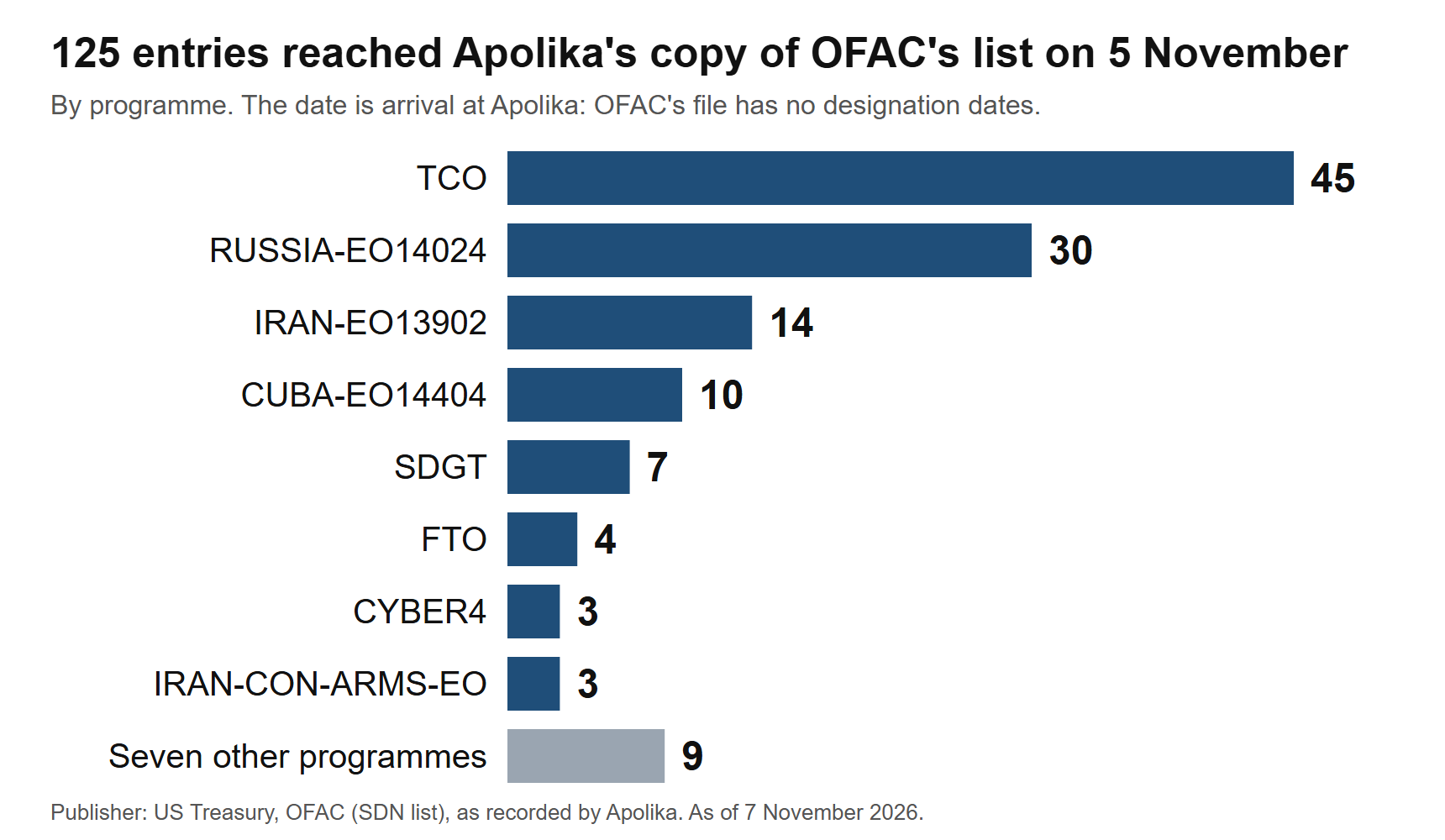
Chart 1: The 5 November entries, by OFAC programme.
OFAC's file has no designation dates. We can say when an entry reached us, not when Treasury decided.
The gap runs both ways
Thousands of records sit on EU or UK lists and off the US list, and just over half carry the Russia theme. A company screening only against Washington's list would miss every one. The other way round the gap is nearly three times as wide, so this is no simple story of Washington going easy.
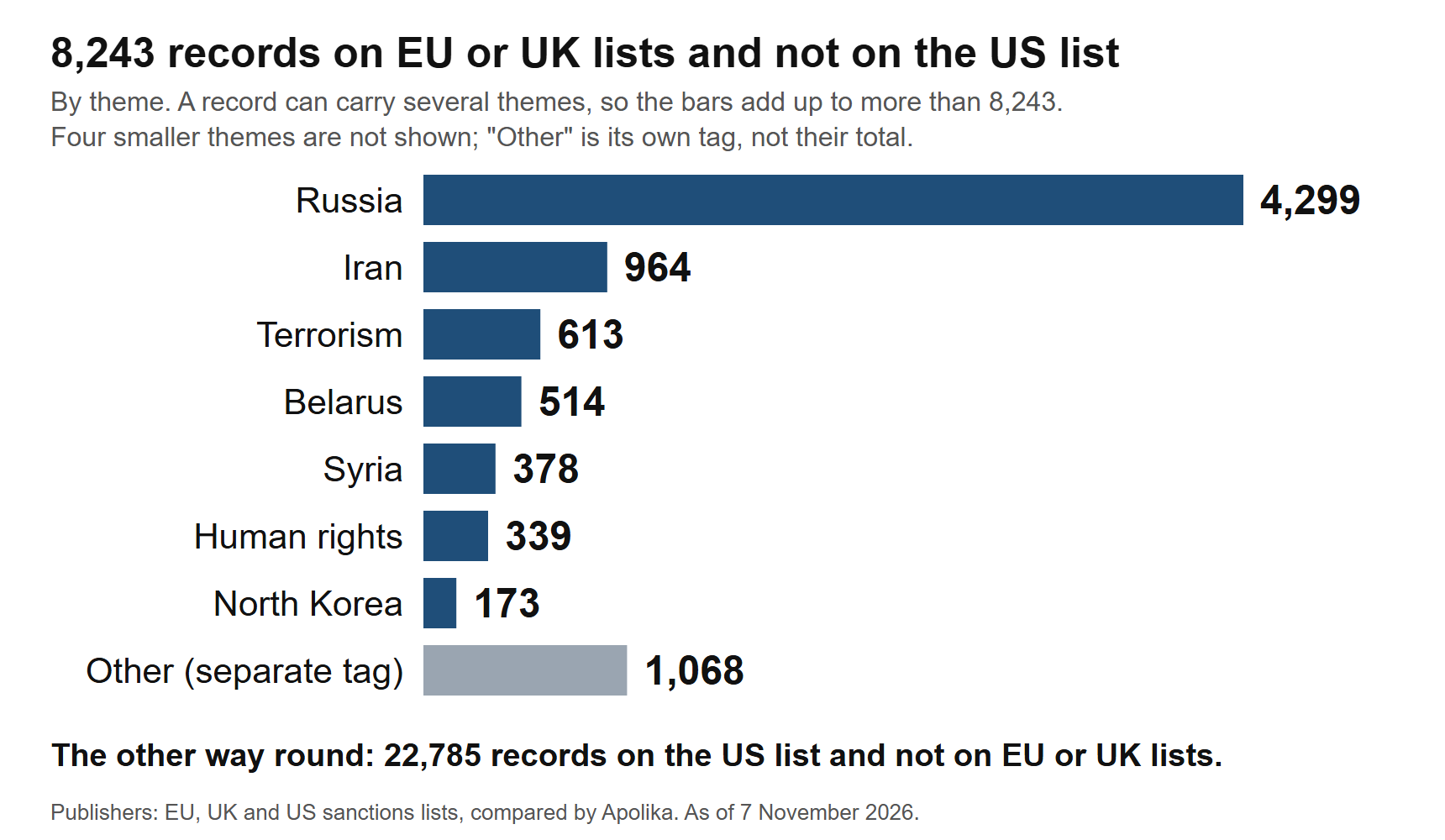
Chart 2: EU or UK records off the US list, by theme.
Iran keeps coming back. Its programmes turned up in four of the five OFAC updates between 12 October and 5 November.
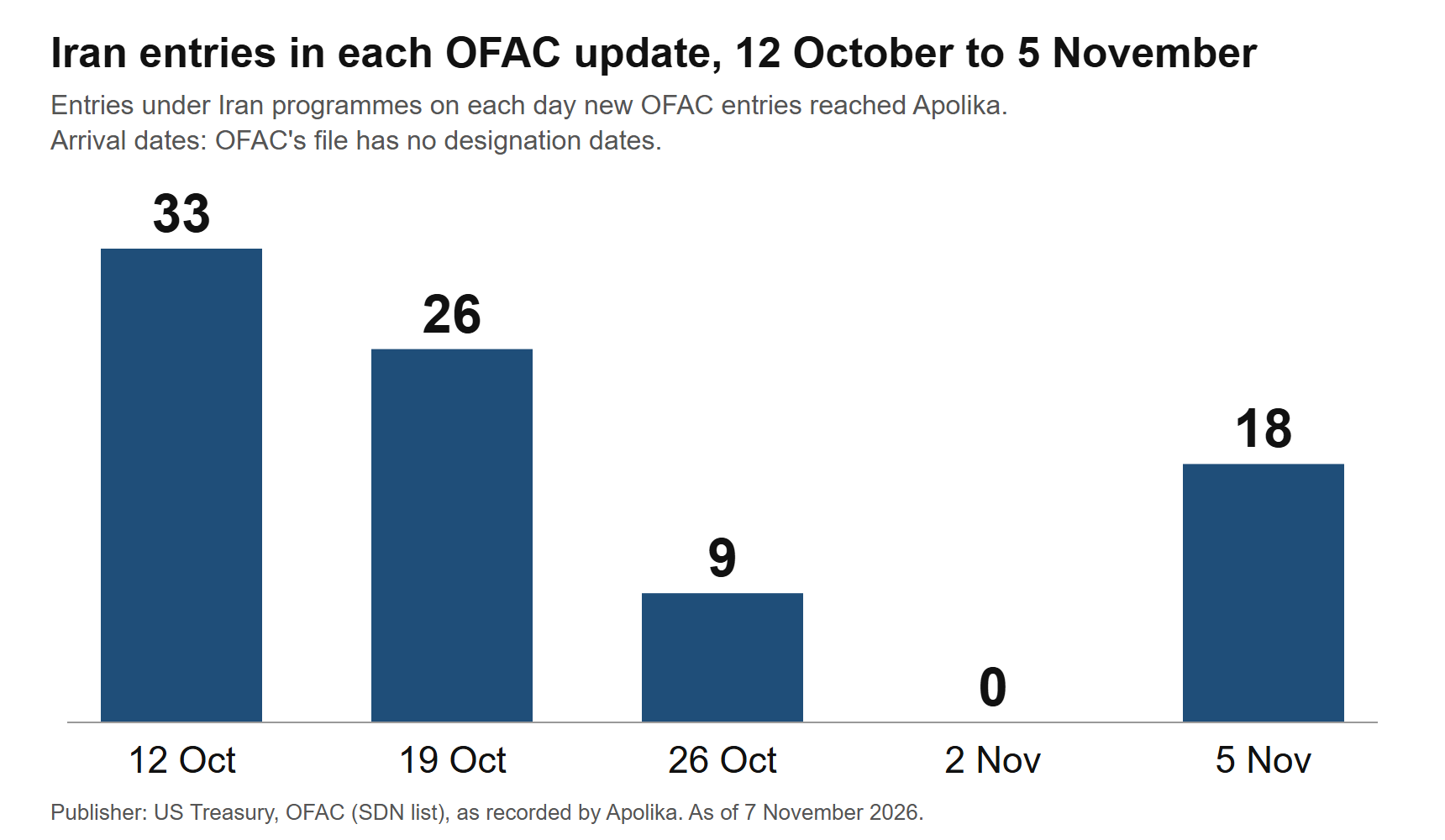
Chart 3: Entries under Iran programmes in each OFAC update.
What Congress holds
The 2017 sanctions law known as CAATSA wrote a set of earlier Russia-related orders into statute. The Russia programme on our first chart is not one of them. A president can lift the codified orders only person by person, after telling Congress the person has stopped the activity or taken significant, verifiable steps to stop it, and with reliable assurances it will not resume. Executive Order 13902, the largest Iran programme on our first chart, rests on a declared emergency. Congress can end one by joint resolution, but the president can veto that, and an override takes two thirds of each chamber.
What the lists don't say
A listing is a government's decision, not proof of guilt. "Not on the US list" depends on our matching of records: two spellings that fail to meet show up as a gap, and a name match is not an identity. Nothing here says what the new Congress will do.
Which should the new Congress look at first: the names allies list and Washington does not, or the programmes that rest on a declared emergency?
Comments
What do you think?
Agree, disagree, or know something we missed? Sign in and say so. An account is free and takes a minute.
Loading comments…